There’s a unique kind of chaos that comes with the first month of building a startup. Everything feels urgent, your to-do list is infinite, and you’re constantly toggling between big-picture vision and tiny operational details. It’s exciting, but it can also be paralyzing if you don’t know where to direct your energy.
The reality is that you can’t do everything at once, and trying to will only dilute your efforts. The founders who make the most of their first 30 days are the ones who ruthlessly prioritize. They focus on the handful of things that actually move the needle and let everything else wait. Here’s what those things are.
Validate Your Idea Before You Build Anything
It’s tempting to dive straight into product development, but the first thing you should do is pressure-test your idea. Talk to potential customers. Not friends and family who will tell you what you want to hear, but real people who would theoretically pay for what you’re building.
Your goal in the first 30 days isn’t to have a finished product. It’s to confirm that a real problem exists and that people are willing to pay for a solution. This is the foundation everything else is built on, and skipping it is one of the most common reasons startups fail before they ever really get started.
Ask yourself some hard questions during this phase. Is the market large enough to sustain a business? Are people currently solving this problem in a clunky or expensive way? Would your solution be meaningfully better? If the answers aren’t encouraging, it’s far better to find out now than six months and thousands of dollars down the road.
Handle the Legal and Financial Foundations
Nobody starts a company because they’re passionate about incorporation paperwork, but ignoring the legal and financial side of things early on can create serious problems later. In your first 30 days, you should be tackling the essentials:
- Choose a business structure and incorporate
- Draft a founders’ agreement that outlines roles, equity splits, and vesting schedules
- Set up a business bank account and basic bookkeeping
- Protect any intellectual property with the appropriate filings
- Consult with a lawyer to make sure you’re not missing anything critical
These aren’t glamorous tasks, but they’re the kind of thing that becomes ten times harder to fix if you put them off. Getting them right early gives you a clean foundation to build on.
Start Building Your Core Team
Your earliest hires (or co-founder choices) will shape the trajectory of your entire company. The people who join you in the first 30 days aren’t just filling roles. They’re setting the culture, establishing work standards, and often wearing multiple hats to keep things moving.
At this stage, you’re not looking for specialists. You’re looking for adaptable, resourceful people who believe in the mission and are comfortable with ambiguity. A small team of committed generalists will almost always outperform a larger group of people who need clearly defined job descriptions to function. Prioritize attitude, alignment, and raw capability over credentials.
If you have co-founders, the first month is also the time to have honest conversations about decision-making authority, workload expectations, and how you’ll handle disagreements. These conversations are uncomfortable, but they prevent far more uncomfortable situations later.
Build a Minimum Viable Product, Not a Perfect One
With your idea validated and your team taking shape, it’s time to start building. But the key word here is “minimum.” Your first 30 days should produce something tangible that you can put in front of real users, even if it’s rough around the edges.
The purpose of an MVP is not to impress anyone with polish. It’s to learn. Every interaction a real user has with your early product generates data that no amount of planning or theorizing can replicate. Ship something small, watch how people use it, collect feedback, and iterate. This cycle of building, measuring, and learning is the engine that drives early-stage startups forward.
Perfectionism is the enemy here. If you’re not at least a little embarrassed by your first version, you probably waited too long to release it.
Create a Prototype Logo and Early Branding
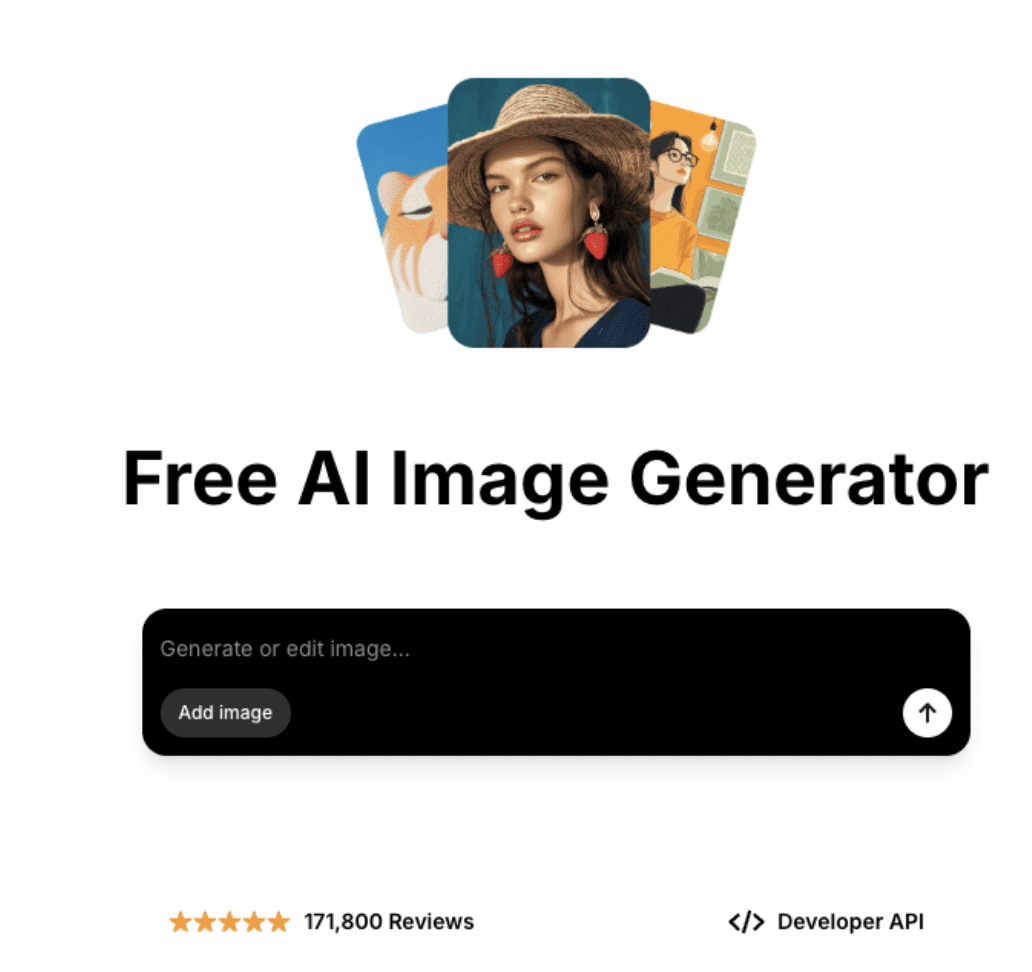
It might seem premature to think about branding when you’re still figuring out your product, but the first 30 days are actually a great time to put together a working visual identity. You don’t need a polished, agency-level brand package at this stage. What you need is something functional that makes your startup look and feel real, both to potential customers and to yourself.
A prototype logo and a basic set of brand elements give you the visual consistency you need to start showing up in the world. Whether you’re building a landing page, putting together a pitch deck, or sending your first outreach emails, having even a rough visual identity makes everything feel more cohesive and credible. People make snap judgments, and looking like a real company matters more than most founders realize. With time and money limited, text to image AI tools provide a practical way to create prototypes and visuals that get the job done.
Final Thoughts
The first 30 days of a startup won’t make or break your company on their own, but they set the tone for everything that follows. Founders who use this window to validate their idea, assemble the right people, ship something real, and build meaningful connections put themselves in a far stronger position than those who try to do everything at once or spend weeks perfecting a plan that never survives contact with the real world. Focus on the fundamentals, stay adaptable, and remember that progress beats perfection every single time.